Delivered work. Descriptions are limited to what these products actually do.
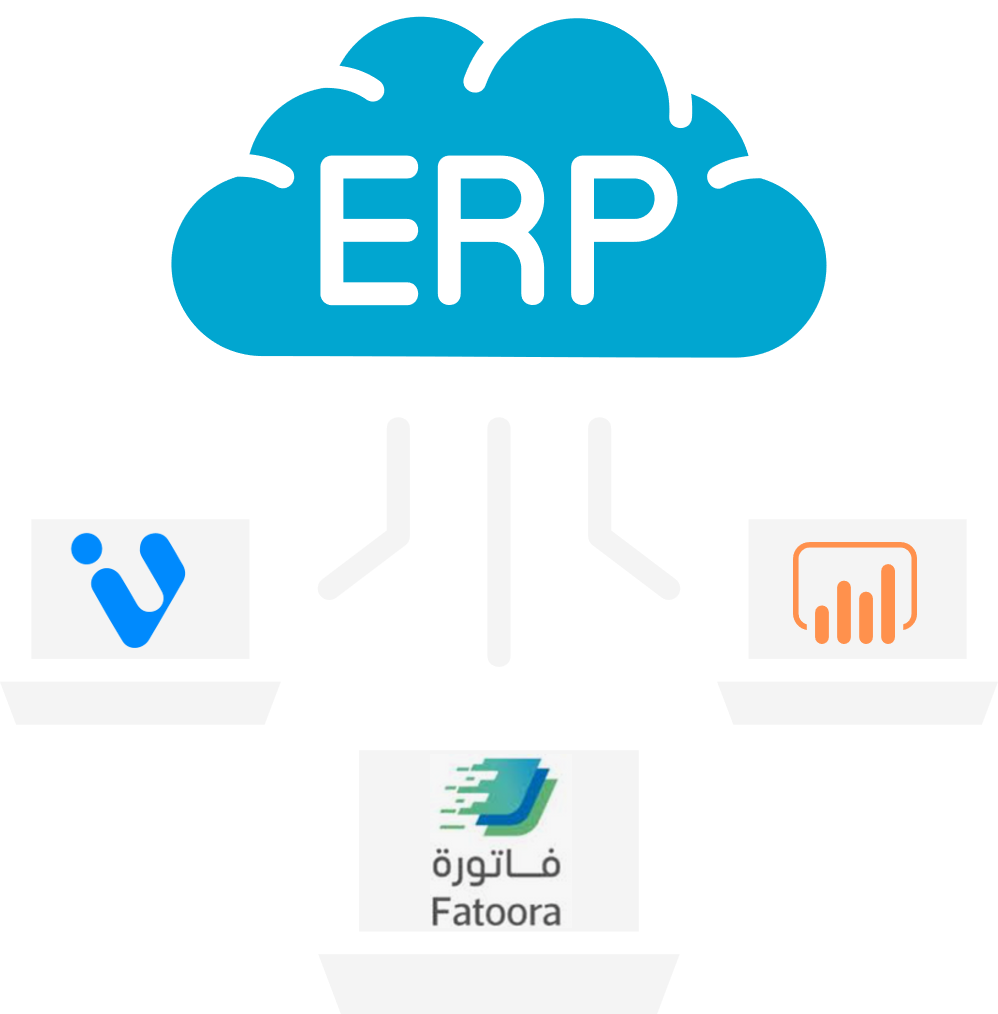
ERP-integrated ZATCA E-Invoice
A compliance layer that lets a business keep the ERP it already runs while meeting Saudi
Arabia's e-invoicing requirements under ZATCA's Fatoora programme. Rather than replacing
finance systems, it sits alongside them: invoices are generated as usual, then transformed,
stamped, chained and submitted in the format ZATCA expects.
The hard part is not the XML. It is that standard tax invoices (B2B and B2G) must be
cleared by ZATCA before they reach the buyer, while simplified invoices (B2C) go to
the buyer immediately and are reported within 24 hours — two different flows
with different failure modes, both of which have to behave sensibly when connectivity drops
and a customer is standing at a counter. Invoice hash chaining, where each invoice carries
the previous invoice's hash, means ordering and gaps genuinely matter, so queuing and retry
logic get designed rather than bolted on afterwards.
- EGS onboarding and CSID provisioning
- UBL 2.1 XML generation and cryptographic stamping
- UUID, invoice hash and PIH chaining
- Clearance and reporting handled as separate flows
- Broad ERP compatibility through integration adapters
- Automated validation before submission
Compliance and finance · Saudi Arabia
ZATCA e-invoicing solution →
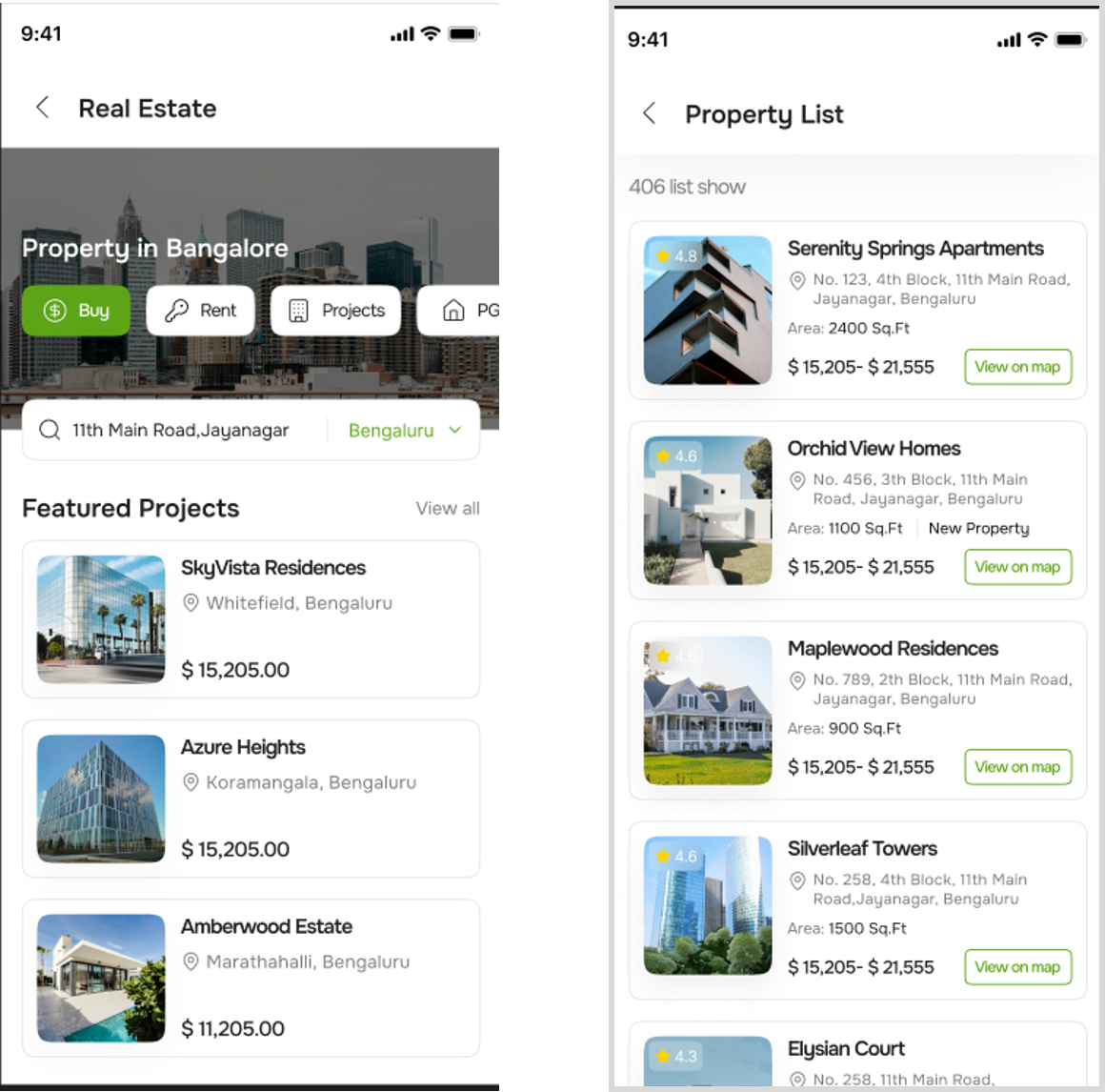
Rising Walls
A property portal for browsing, buying, selling and renting homes, apartments and commercial
space. It serves two audiences with opposing interests through the same interface: buyers and
tenants who want to filter quickly and see honest listings, and owners and agents who want
their inventory seen.
Property search is a deceptively awkward engineering problem. Listings are unstructured by
nature, search is geographic as well as attribute-based, and the catalogue changes constantly
as units are let or withdrawn — a portal showing property that is no longer available
loses trust quickly. Most of the effort goes into media handling, keeping search responsive
as filters combine, and keeping listing state accurate.
- Residential and commercial listings in one catalogue
- Buy, sell and rent flows
- Location and attribute-based search with filters
- Image-heavy listing pages with managed media
- Enquiry routing between seekers and listers
Proptech · Web and mobile
Real estate CRM →
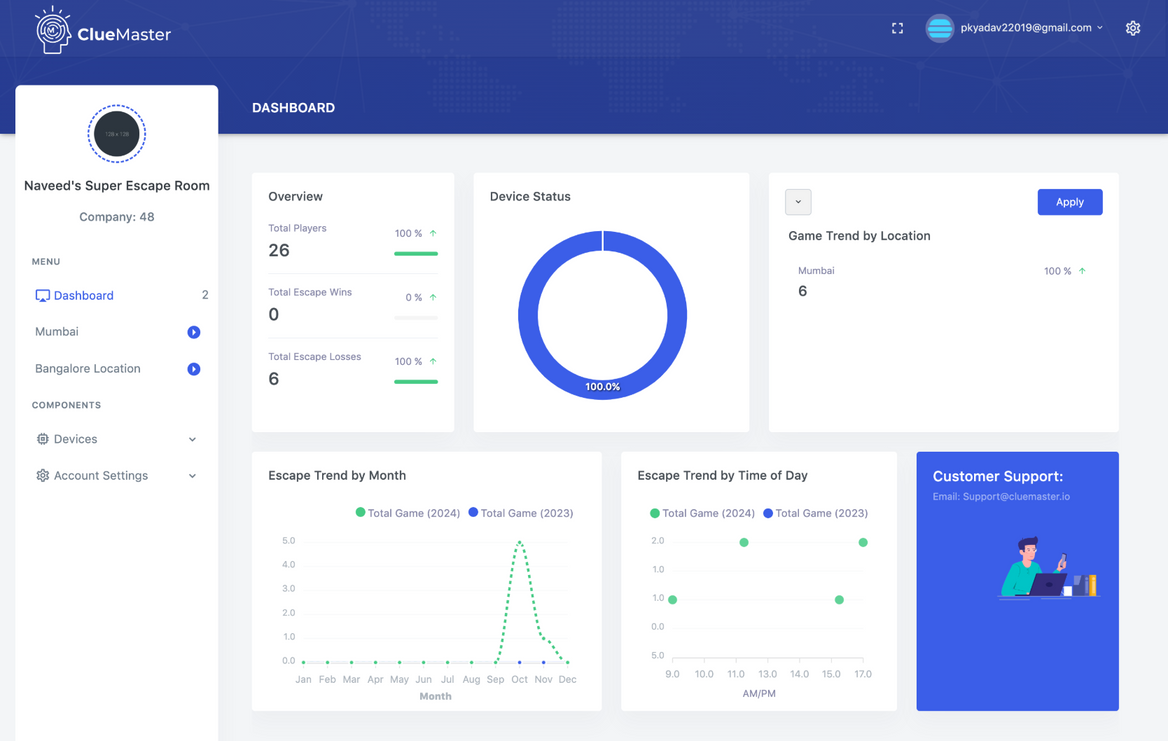
ClueMaster
IoT-enabled software for running escape rooms across multiple locations. An escape room is a
physical space full of sensors, locks, lights and props that must respond to what players do,
and a game master needs to watch the room, deliver clues and reset it between sessions —
ideally without walking in.
This is where software meets hardware, and the constraints change accordingly. Latency is
visible to a paying customer standing in the room, so a lock that fires a second late is a bug
they can feel. Devices drop off networks, and a room must fail into a safe, playable state
rather than a locked one. Running several venues from one platform adds the usual multi-site
problems: per-location configuration, staff access scoping, and central visibility without
making an individual venue depend on head office being online.
- Device and prop control over IoT connectivity
- Live game-master console with clue delivery
- Automated room reset between sessions
- Multi-location management from one platform
- Session scheduling and run history
IoT and entertainment · Multi-site
IoT development →
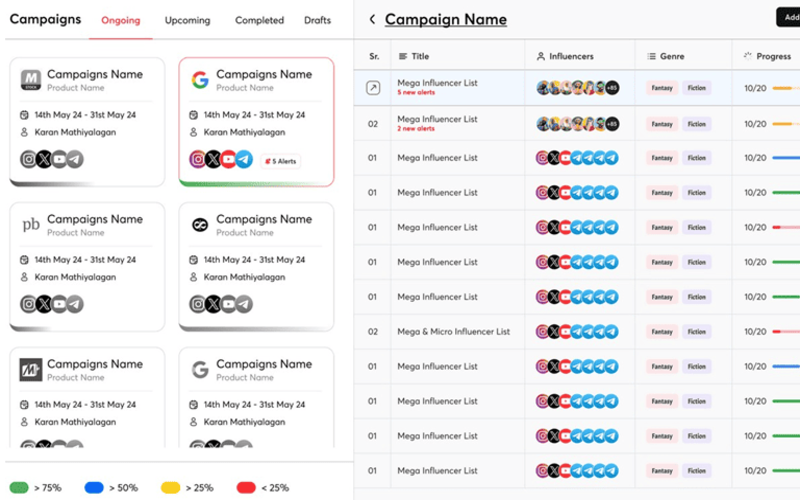
FameKeeda
A mobile app connecting fans with celebrities and influencers. The product problem is
asymmetry: a public figure has finite time and a very large audience, so the app's real job is
to make interaction feel personal while staying manageable for the talent.
Technically this is a media and identity problem. Content is heavy and mobile networks are
not, so delivery and playback need care. Verifying that an account genuinely belongs to the
person it claims to be matters more here than in most consumer apps, and moderation cannot be
an afterthought when strangers are messaging public figures. Demand also arrives in spikes
around a post or an appearance rather than as steady load, which shapes how the backend is
sized.
- Fan-side and talent-side journeys
- Verified talent profiles
- Media-rich content delivery and playback
- Request, booking and fulfilment flow
- Push notifications and engagement prompts
Media and creator economy · Mobile
UI/UX design →

HiCare
An e-commerce portal for mosquito atomizer products. This is a focused catalogue rather than a
general marketplace, which changes the brief: with a narrow range, the site has to do the
explaining as well as the selling, because customers are choosing between variants and
consumables rather than browsing for inspiration.
Physical-goods commerce is mostly the unglamorous parts done properly — catalogue and
variant modelling, stock accuracy, payment handling, and an order pipeline the team can
actually operate from the back office. Repeat purchases of consumables also reward getting
reordering right, which is a smaller feature than it sounds and a larger revenue lever.
- Product catalogue with variants and consumables
- Cart, checkout and payment integration
- Order management and fulfilment tracking
- Stock visibility tied to the storefront
- Responsive storefront across devices
E-commerce · Consumer products
E-commerce development →
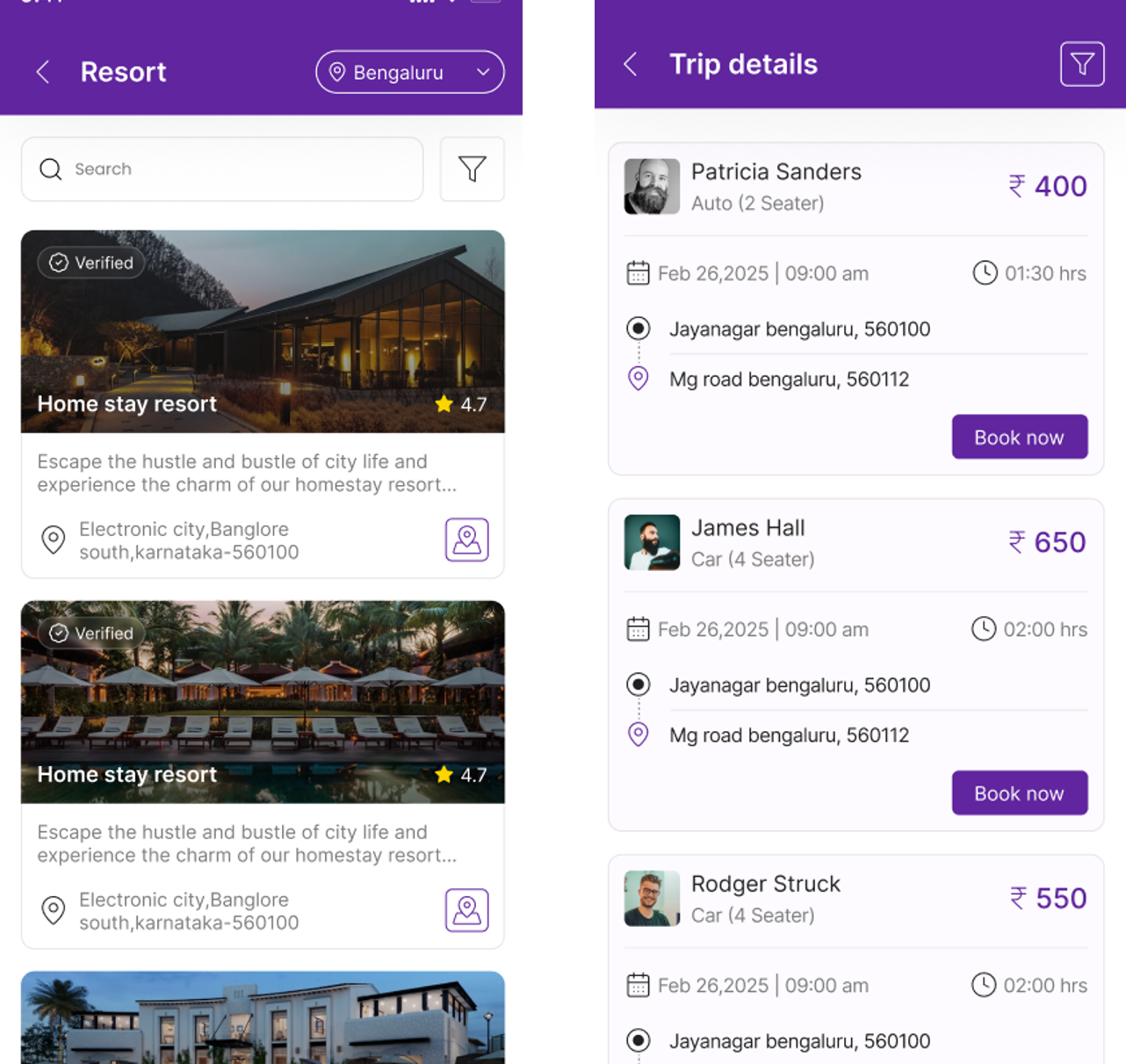
OneTuch
A platform spanning logistics, carpooling, transportation and medical emergency response
— several services that look different to users but share one engine underneath:
matching a request to a vehicle, tracking it, and telling everyone involved where it is.
Building those as one platform rather than four apps is the interesting decision. It means a
shared location, dispatch and notification core with service-specific rules layered on top.
The emergency path sets the engineering bar, because a medical request cannot be treated as
just another booking in a queue — it changes how prioritisation, timeouts and failure
handling have to work. Location tracking is also a battery and accuracy trade-off on the
device long before it becomes a server problem.
- Shared dispatch and matching core across services
- Live location tracking and route visibility
- Carpooling and ride-sharing flows
- Logistics and delivery jobs
- Prioritised medical emergency requests
- Real-time updates to riders, drivers and operators
Logistics and mobility · Real-time
Custom platform development →
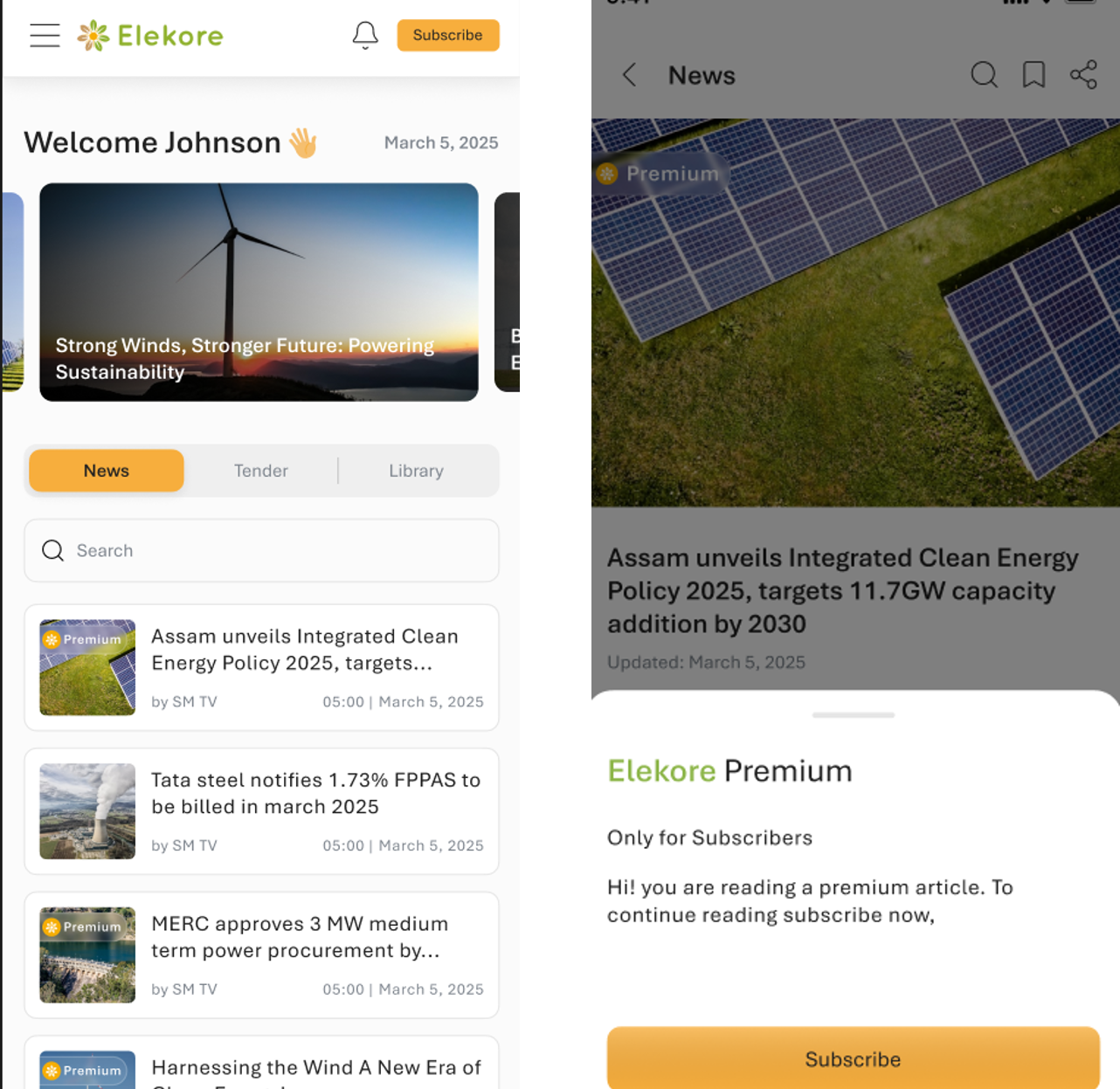
Energy Central / Daily News
A news app for the energy sector covering news, tenders and projects. The audience is
professional rather than casual, which inverts the usual consumer-news priorities: readers are
tracking specific tenders and projects, so relevance and timeliness matter more than
engagement mechanics.
Content-heavy apps live or die on the publishing pipeline behind them rather than the reading
UI in front. Editorial needs to move quickly, structured tender and project records need to
stay queryable instead of collapsing into prose, and readers expect the app to be useful on a
plane or a site with poor signal — which makes caching and offline reading product
features, not optimisations.
- Sector news feed with categorisation
- Structured tender and project listings
- Editorial publishing workflow
- Search and topic following
- Offline-friendly reading with caching
- Push alerts for new items
Media and publishing · Energy sector
Data and analytics →
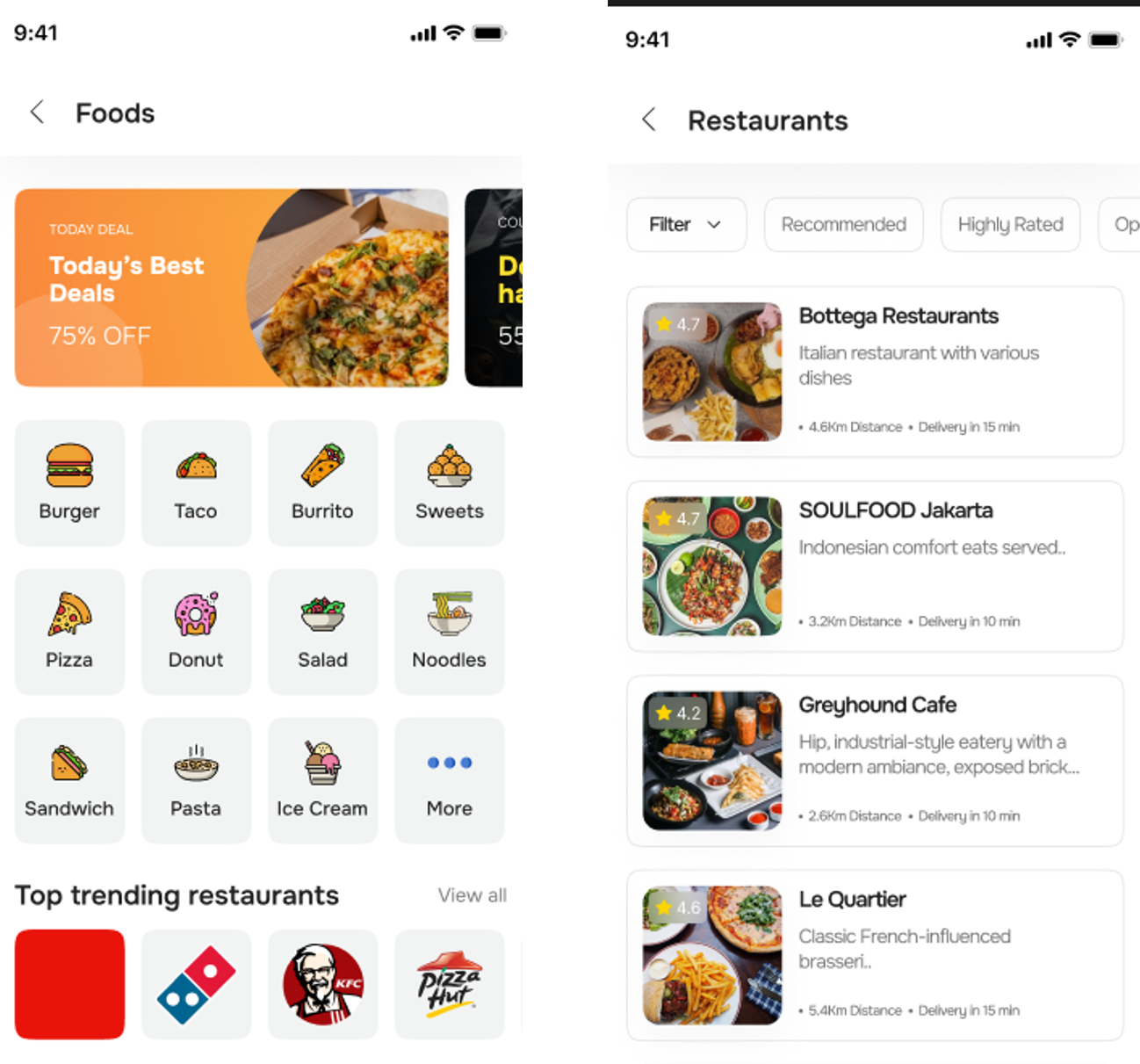
Food ordering app
An ordering app connecting diners with restaurants, covering menu browsing, ordering, payment
and order tracking. Food ordering is a three-sided problem — diner, restaurant and
delivery — and the app is only the visible third of it.
Menus are the underrated complexity: availability changes through the day, options and
modifiers multiply quickly, and pricing varies by outlet. Meanwhile the kitchen needs orders
in a form it can work from during a rush, when nobody has time to interpret a screen. In our
experience, getting the restaurant-side experience right matters more to whether the product
succeeds than anything on the diner side.
- Menu browsing with options and modifiers
- Cart, checkout and payment
- Restaurant-side order acceptance and preparation
- Order status and delivery tracking
- Outlet-level menu and availability control
Food and beverage · Mobile and back office
Food delivery app development →